How to Pick the Right General Contractor for Your Next Home Project
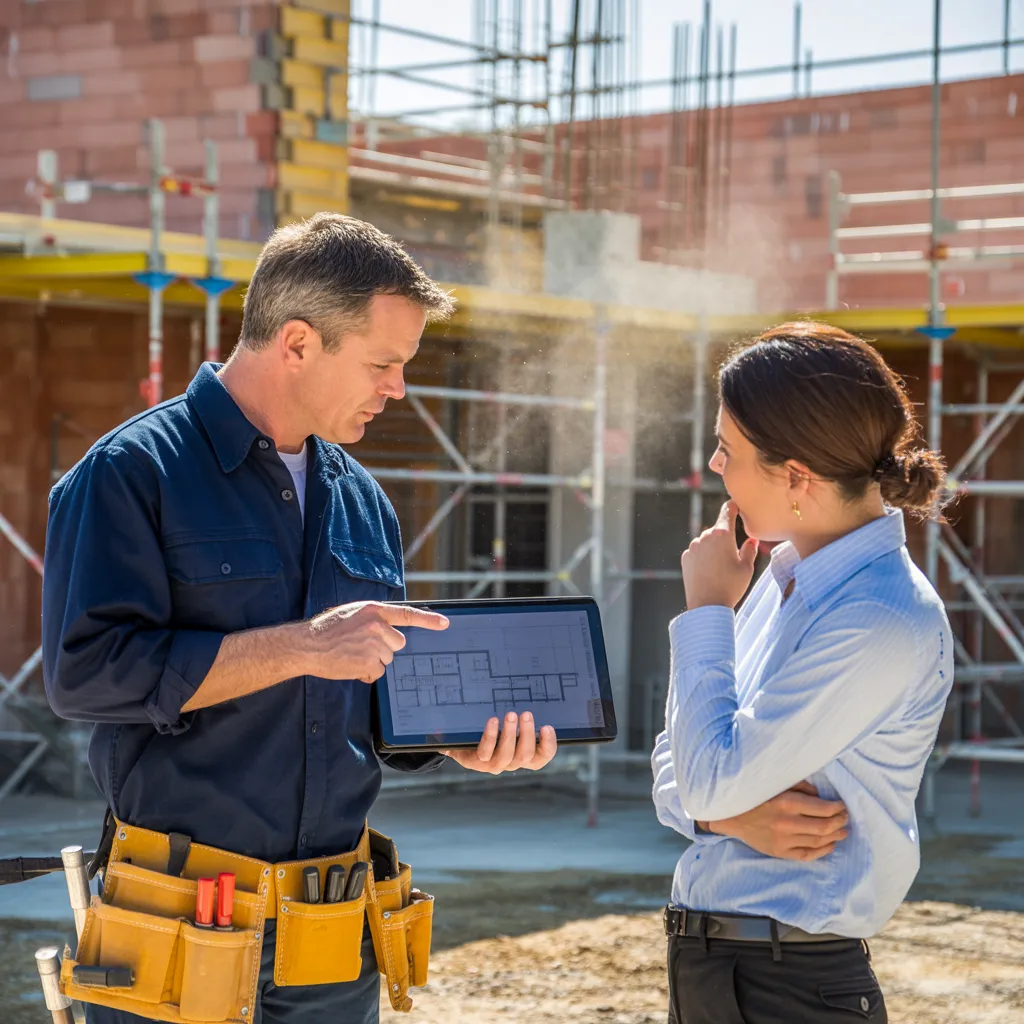
Selecting the appropriate general contractor for your home project is a critical choice. This demands thoughtful evaluation of various elements, including experience, credentials, and ability to communicate. Many homeowners overlook key aspects, resulting in expensive errors. Knowing how to assess prospective professionals can make a significant impact. By concentrating on essential criteria and posing the appropriate inquiries, one can navigate this complex process more effectively. What are the important measures to ensure a productive collaboration?
Guidance to Avoid Standard Errors When Hiring a Builder
When hiring a general contractor, how might one handle the myriad of choices without encountering common mistakes? Prospective clients often miss important factors that can result in disappointing consequences. First, considering only the price can be deceptive; the lowest bid may represent below-standard work or unexpected expenses. Additionally, neglecting to check references or online reviews can result in engaging a contractor with a negative history. It is also essential to avoid making decisions based on charisma alone; a warm contractor may not demonstrate the needed qualifications or consistency. Moreover, not setting clear communication and goals can lead to errors and displeasure. Finally, skipping detailed contract review prior to signing can result in surprise commitments or absence of safeguards. By being vigilant and informed, homeowners can make more confident decisions, ultimately ensuring a fruitful endeavor.
Ways to Evaluate a Contractor's Track Record
When evaluating a contractor's track record, several key factors become relevant. Relevant project experience, professional credentials, and an extensive portfolio of finished projects represent critical indicators of their competencies. Examining these aspects can provide valuable insights into the contractor's suitability for the particular job at hand.
Applicable Assignment History
Grasping a contractor's relevant project experience is essential for guaranteeing the positive outcome of any building project. Potential customers should evaluate the contractor's portfolio, concentrating on finished work similar in scope and style to their own. This entails reviewing the caliber of craftsmanship, adherence to timelines, and budget management in previous undertakings. Additionally, it is advantageous to inquire about the types of materials used and the contractor's knowledge of area construction regulations and standards. Reviews explore this topic and recommendations from past clients can shed light on the contractor's reliability and ability to communicate. Ultimately, a contractor with substantial relevant experience can navigate challenges effectively, ensuring the project meets the homeowner's requirements and benchmarks.
Professional Qualifications And Authorizations
Certification and licensing act as important indicators of a contractor's professionalism and expertise in the construction industry. When choosing a general contractor, it is essential to verify that they hold the demanded licenses set by local and state regulations. These licenses show compliance with building codes and safety standards. Moreover, industry certifications, such as those from the National Association of Home Builders or other similar organizations, showcase a contractor's commitment to high standards and ongoing education. Contractors possessing specialized certifications may also have skills in particular areas, like green building or remodeling. Making sure a contractor has the appropriate credentials not only creates confidence in their abilities but also reduces potential legal and financial risks during the project.
Portfolio Of Completed Work
The builder's portfolio of finished projects acts as a crucial tool for judging their skills and experience. This set should highlight a varied mix of works, demonstrating adaptability in different styles and intricacies. When looking at a portfolio, interested parties must seek top-notch photos that depict the skill involved. It is helpful to see tasks that align with the homeowner's individual preferences or style choices. Precision, original ideas, and respecting schedules are key signs of a contractor’s competence. Furthermore, user endorsements or case studies included in the portfolio provide more knowledge into the contractor's dedication and trustworthiness. Finally, a strong portfolio can help homeowners to choose wisely regarding their upcoming projects.
How to verify Your Contractor's Credentials and Licenses
Before retaining a general contractor, it is important to substantiate their credentials and licenses to confirm they exceed sector requirements. Start by reaching out to local licensing boards to establish that the contractor carries the required licenses for your jurisdiction and project type. Each state maintains its own requirements, so comprehending them can avert later complications.
Furthermore, inquire about insurance coverage, including liability and workers' compensation, to guarantee protection against potential accidents or damages. Request references from previous clients and check in to assess satisfaction and reliability.
Finally, review any credentials the contractor may have, as these often demonstrate specialized training and adherence to industry best practices. A comprehensive vetting procedure not only ensures adherence but also establishes trust in the contractor's ability to finish the project successfully.
Why Regular Communication Is Key in Your Contractor Relationship
Effective communication plays a pivotal role in the relationship between contractors and clients, determining the project's success from the beginning. Clear communication sets expectations, timelines, and budgets, guaranteeing both parties are in agreement on the project's goals. When clients articulate their vision effectively, contractors can provide knowledgeable recommendations and solutions, enhancing the overall outcome.
Consistent updates and clear channels of contact enable swift resolution of issues as they arise, decreasing potential delays. Additionally, a contractor who listens and responds to client feedback cultivates trust, which is essential for collaboration.
Additionally, efficient dialogue assists in handling changes and unforeseen obstacles, maintaining the project on track. It enables the contractor to modify strategies based on customer input, guaranteeing satisfaction during the process. In the end, prioritizing dialogue not only strengthens the contractor-client relationship but also significantly adds to the successful completion of the home project.
Critical Questions to Raise with Your Contractor During Initial Meetings
When meeting with a contractor initially, clients should focus on comprehending their experience and qualifications. It's essential to inquire about the project timeline and budget to guarantee consistency with the client's expectations. These questions establish a base for a successful partnership and effective project management.
Track Record and Qualifications
Selecting a general contractor requires understanding their professional history and certifications. Homeowners should ask about the contractor's experience duration and the types of work accomplished. Detailed questions about official permits, certifications, and insurance are essential because these ensure compliance with local regulations and offer protection during the project. Moreover, looking at past work through professional portfolios or references can give insight into the contractor's craftsmanship and reliability. It is also worthwhile to ask their experience with similar projects, as this can suggest their ability to handle specific challenges. Ultimately, judging a contractor's experience and qualifications increases confidence and helps homeowners make informed decisions about their home projects.
Project Schedule and Budget
boosting the chances of a successful project.
Suggestions for Evaluating References and Reviewing Reviews
What procedures should one take to assure a general contractor is reliable? First, it is vital to demand a list of references from potential contractors. A respected contractor will easily provide names and contact information of previous clients. One should telephone these references to learn about their experiences, honing in on aspects such as communication, quality of work, and adherence to timelines.
Additionally, examining online feedback on sites like Google, Yelp, or Angie's List can provide valuable information. It is crucial to identify patterns in the comments—consistent praise or criticism can indicate reliability or potential problems.
Furthermore, reviewing any complaints submitted with local licensing boards or consumer protection agencies can reveal a contractor's background. Finally, asking for recent images of their work can help judge the excellence of their work. By taking these procedures, one can make a more knowledgeable decision when picking a general contractor.
Comprehending Contractor Charges and Payment Requirements
Property owners should get to know standard payment terms. Most contractors ask for a deposit at the beginning, preceded by progress payments associated with project milestones. It's vital to discuss these terms before agreeing to a contract to prevent misunderstandings. Moreover, homeowners should question potential hidden fees, such as permits or unanticipated work. Direct communication regarding financial terms and costs will help foster a open working relationship, eventually resulting in a successful project outcome. Grasping these elements provides homeowners the ability to make smart choices when picking a general contractor.
Often Asked Questions
What Timeframe Should We Expect for Project Completion?
The project duration generally fluctuates based on scope and complexity. Generally, it may take several weeks to months. Factors such as weather, availability of materials, and workforce availability can significantly impact the project completion schedule.
What Takes Place if Surprise Challenges Come Up During Building?
If unexpected issues arise during construction, the contractor typically assesses the situation, communicates with the homeowner, and proposes solutions. Adjustments to the timeline and budget may be necessary, ensuring transparency throughout the project.
Will My Undertaking Require Permits or Inspections?
Most undertakings require permits along with inspections to ensure compliance with local building codes. It is crucial to consult with a general contractor who comprehends these requirements, as they can navigate the permitting process efficiently.
How Do You Manage Subcontractors and Their Payment Processing?
A reputable general contractor oversees subcontractors by developing explicit agreements specifying payment terms. They guarantee timely payments, maintain ongoing communication, and evaluate subcontractor work quality, promoting a collaborative environment that enhances project completion and efficiency.
How Do You Address Project Revisions or Upgrades?
The contractor adopts a flexible approach to modifications to projects, requiring documented records for any improvements. They ensure clear communication, evaluate cost implications, and adjust schedules accordingly to cater to the client's changing requirements and desires.